The music industry moves fast, and the strategies that worked a couple of years ago don’t automatically work today. In 2026, the artists who grow fastest treat every release as a campaign, put short-form video at the center of their marketing, and turn their fans into the people who spread the word.
Below are the most effective and innovative music marketing strategies for artists and independent labels right now, from release planning and short-form video to fan-generated content, live shows, and streaming.
1. Plan Every Release as a Campaign
A single shouldn’t appear out of nowhere. Plan a rollout that builds anticipation before release day and keeps momentum after it:
- Before release: Tease the hook in short videos, share the story behind the song, and drive fans to a pre-save link.
- Release week: Post daily, go live, share fan reactions, and pitch the song to playlists and creators.
- After release: Keep the song alive with alternate versions, acoustic takes, behind-the-scenes clips, and fan content for several weeks.
A simple content calendar for each release keeps you consistent and makes it easier to see which ideas actually move streams.
2. Make Short-Form Video Your Main Channel
TikTok, Instagram Reels, and YouTube Shorts are where most new listeners discover music today. Short-form video lets a 15-second hook travel far beyond your existing followers.
Short-form ideas that work for musicians:
- Preview the catchiest part of a new song with a strong visual or story.
- Share your creative process: songwriting sessions, studio takes, or how a beat came together.
- Post several different videos for the same song, testing different hooks, captions, and formats.
- Join relevant trends and challenges, or start your own around your track.
- Reply to comments with videos to keep conversations going.
For a deeper platform plan, see our TikTok strategy for musicians.
3. Turn Fans Into Content Creators
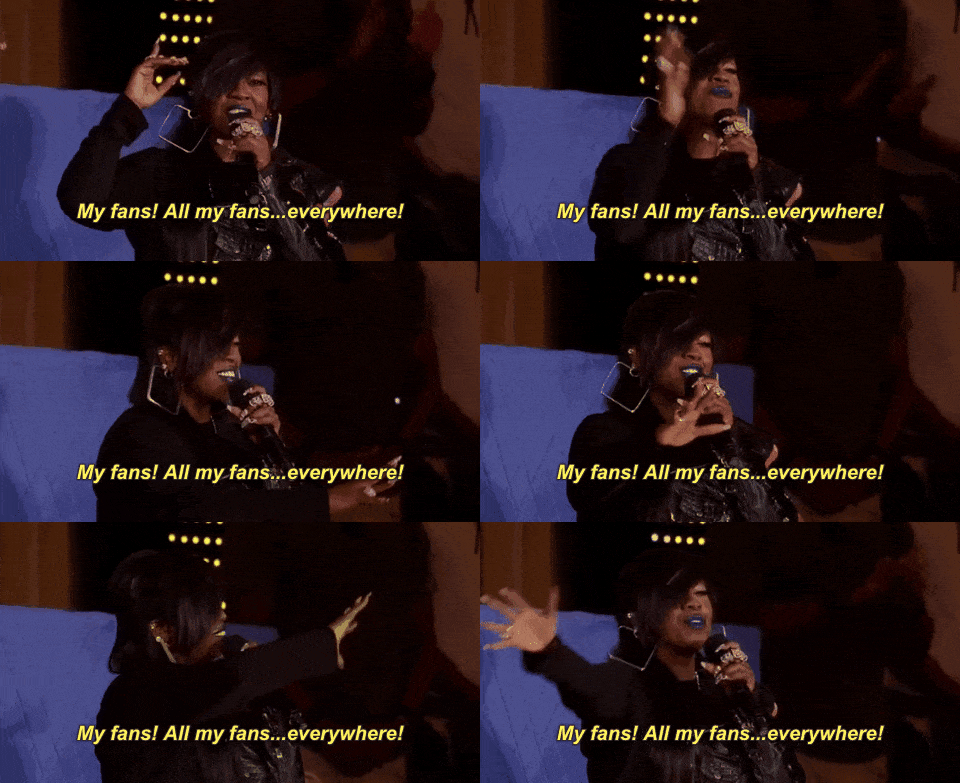
The most effective music marketing in 2026 doesn’t come from the artist alone. When fans post videos using your song, reacting to it, or sharing what it means to them, every video becomes a recommendation to their own followers.
- Fan video campaigns: Invite fans to film covers, dances, reactions, or stories inspired by your music.
- Reaction videos: Collect first reactions to a new single or album and share the best ones.
- Fan stories: Ask fans what a song means to them; these emotional videos often outperform polished promo.
Make participation easy: a simple link or QR code, a clear prompt, and a reason to join, such as a shout-out, a repost, or a chance to appear in an official video.
4. Treat Live Shows as Content Engines
Every concert is full of moments fans want to share. Capture them deliberately:
- Put a QR code on screens, merch tables, or wristbands that invites fans to record a short video message or reaction.
- Film crowd moments, sing-alongs, and backstage clips for the days after the show.
- Use fan videos from one city to promote the next stop on the tour.
5. Build Personalized Fan Experiences
Fans want to feel close to the artists they support. Personal experiences turn casual listeners into loyal fans:
- Exclusive content: Early access to songs, demos, or behind-the-scenes footage for your most engaged fans.
- Community spaces: Close-friends lists, broadcast channels, Discord servers, or membership platforms where fans can connect with you and each other.
- Virtual events: Listening parties, live Q&As, and online sessions that let fans interact with you directly.
6. Collaborate With Creators and Other Artists
Collaborations put your music in front of audiences that already trust someone else. Work with creators whose audience matches your sound, feature on other artists’ songs or live streams, and send early versions of new tracks to creators who are likely to use them in their own videos.
7. Optimize Your Streaming Presence
Discovery often starts on social media, but it ends on streaming platforms. Make sure fans who find you can go deeper:
- Keep your artist profiles up to date with current photos, bio, and links.
- Use Spotify for Artists to pitch unreleased songs to editorial playlists ahead of release.
- Add short looping visuals and artist picks to make your profile feel alive.
- Share your songs on your own channels with direct links so fans can save them in one tap.
8. Own Your Audience With Email and SMS
Social reach changes with every algorithm update. An email or text list lets you reach your fans directly for releases, tickets, and merch. Offer something in return for signing up, such as an unreleased demo or presale access.
9. Use Data to Decide What to Do Next
Check your streaming and social analytics after every release. Which videos drove the most profile visits and saves? Which cities are listening most? Which songs are fans using in their own content? Use those answers to plan your next release, your tour routing, and your ad spend.
Platform Tips for Musicians
- TikTok: The strongest discovery engine for new music. Post often, test different hooks, and encourage fans to use your sound.
- Instagram: Use Reels for reach, Stories for day-to-day connection, and Live for real-time moments with fans.
- YouTube: Home for official videos, live sessions, and vlogs, while Shorts help new listeners find you.
- X (Twitter) and Threads: Good for announcements, real-time conversation, and building a voice beyond the music.
Across every platform, consistency and authenticity matter most. Fans connect with artists who show up regularly and speak to them like real people.
Using Fan Videos and Testimonials With Vidlo
When potential fans see other people loving your music, it builds social proof that turns curious listeners into real fans. Vidlo makes it easy to collect that proof at scale.
With Vidlo, artists and labels can launch fan video campaigns through a simple link or QR code. Fans record reactions, covers, concert moments, or messages straight from their phones, with no app to download, and every video arrives branded and ready to share on social media, your website, or in ads. Learn more about fan video campaigns for music and entertainment.
Frequently Asked Questions
What are the most innovative music marketing strategies in 2026?
The most effective strategies combine release campaigns planned weeks in advance, a steady stream of short-form video, fan-generated content such as reactions and covers, live shows used as content engines, creator collaborations, and owned channels like email and SMS.
What is the best music marketing strategy for independent artists?
Focus on what you can control: post short-form video consistently, build a direct relationship with fans, invite them to create content around your songs, and plan every release as a campaign. You don’t need a big budget; you need a repeatable system.
How do musicians market their music on TikTok?
Post short videos built around the most memorable part of each song, test multiple hooks and formats, join or start relevant trends, reply to comments with videos, and encourage fans to use your sound in their own content.
How can an artist go viral?
There’s no guaranteed formula, but your chances improve when you post often, lead with a strong hook, make content that’s easy for fans to copy or react to, and keep momentum going with follow-up videos when something starts to take off.